The Maldives offers a cruising landscape that is difficult to compare with anywhere else in the world. The country stretches across the central Indian Ocean as a chain of coral atolls formed over thousands of years, creating more than one thousand islands separated by lagoons, reefs and deep ocean passages.
For yacht charters this geography creates remarkable freedom of movement. A vessel can leave the capital region in the morning and arrive at a completely different reef system before midday. Anchorages shift quickly from shallow turquoise lagoons to deeper sapphire channels where the open ocean begins.
Most yacht charter itineraries operate within the central atolls of the Maldives. These waters combine reliable navigation routes with access to some of the country’s most active marine environments. Motor yachts, catamarans and sailing yachts all operate comfortably within this region while remaining close to reefs, sandbanks and remote islands.
Understanding how these atolls are structured helps explain why certain destinations appear consistently in charter itineraries.
Where do most Maldives yacht charters begin?
Most charters begin in the Malé region. Guests typically arrive at Velana International Airport and transfer directly to their yacht, which may be berthed in Hulhumalé marinas, anchored inside the lagoon or waiting alongside a nearby resort jetty.
This location sits at the centre of the most practical cruising zone in the Maldives. From Malé, yachts gain direct access to North Malé Atoll, South Malé Atoll, Vaavu Atoll and Ari Atoll without long offshore passages.
For charter guests the transition from arrival to cruising is immediate. Within a short distance of leaving the harbour, coral reefs begin appearing beneath the surface and small islands rise across the horizon.
Most itineraries spend their first evening anchored somewhere within North Malé Atoll. It provides a gentle introduction to Maldivian waters while keeping the yacht within comfortable reach of the airport if arrival times vary.
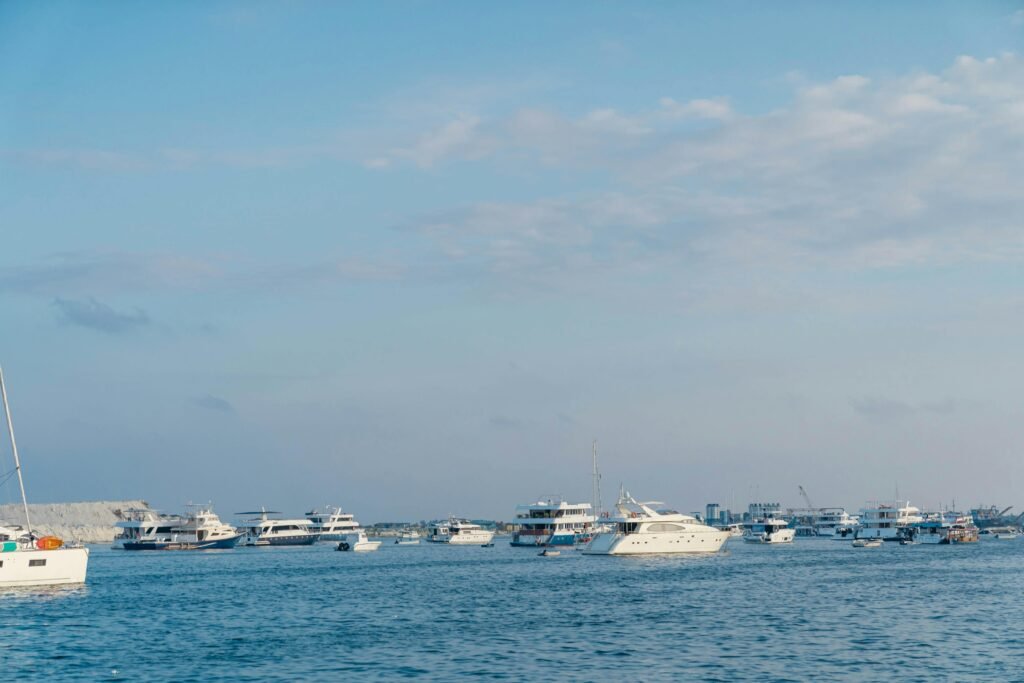
North Malé Atoll and South Malé Atoll cruising grounds
North Malé Atoll surrounds the capital and acts as the main gateway into the Maldives cruising environment. Despite its proximity to the city, large sections of the atoll remain dominated by coral reef systems and quiet lagoons.
Several dive channels cut through the atoll rim. These channels funnel ocean currents into the lagoon and attract pelagic marine life including reef sharks, tuna and large schools of jackfish. For divers this area offers some of the most accessible drift dives in the country.
Charter yachts normally anchor inside sheltered lagoon areas where coral heads rise through shallow water. Guests travel to nearby reefs using the yacht’s tender or a traditional dhoni support vessel.
South Malé Atoll lies just beyond a deep natural channel south of the capital. Once a yacht crosses this passage the surroundings immediately become quieter. Resorts are spaced further apart and the lagoon areas open into broad stretches of shallow turquoise water.
These lagoons are ideal for water activities. Paddleboards, snorkeling equipment and seabob water toys are commonly used throughout the day while the yacht remains anchored nearby.
Sandbanks appear frequently across both atolls. These narrow formations of white coral sand emerge during low tide and provide temporary islands where charter crews arrange private beach lunches or sunset drinks.
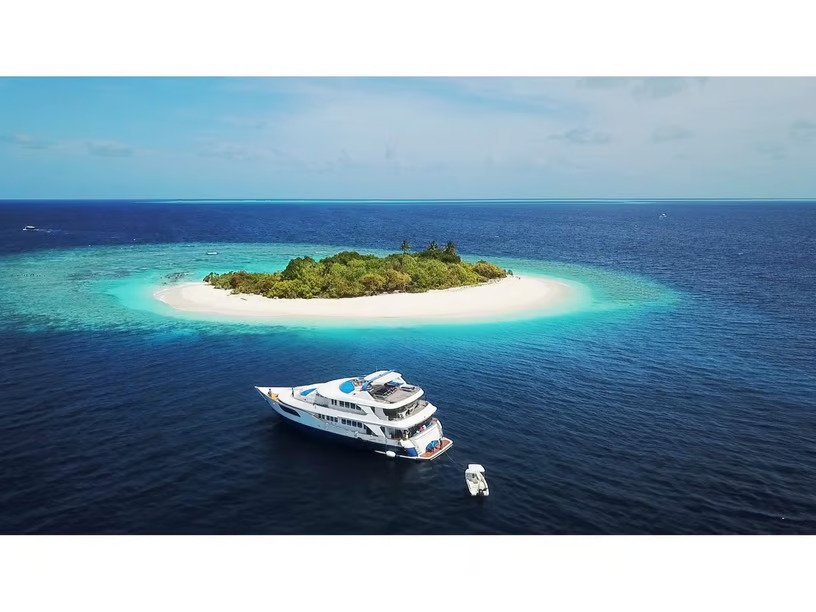
Ari Atoll and whale shark waters
Ari Atoll sits west of the Malé region and represents one of the most recognised marine areas in the Maldives. The atoll stretches across a wide area and is divided into two regions known as North Ari Atoll and South Ari Atoll.
North Ari Atoll is known for reef passes where nutrient rich ocean water enters the lagoon. These currents support dense reef ecosystems and attract manta rays along with large schools of reef fish.
Many yachts anchor along the inner reef edges where visibility remains clear and dive sites are accessible by tender. Mornings are often spent diving or snorkeling before the yacht moves to a new anchorage later in the afternoon.
South Ari Atoll has gained global attention because of its whale shark population. The outer reef along the southern edge of the atoll provides one of the most consistent locations in the world to encounter these animals throughout the year.
Yachts usually anchor inside the lagoon while guides monitor whale shark movements along the reef line. When conditions are right guests travel by tender to snorkel alongside these gentle giants.
Encounters are carefully managed to protect both the animals and the surrounding reef ecosystem.
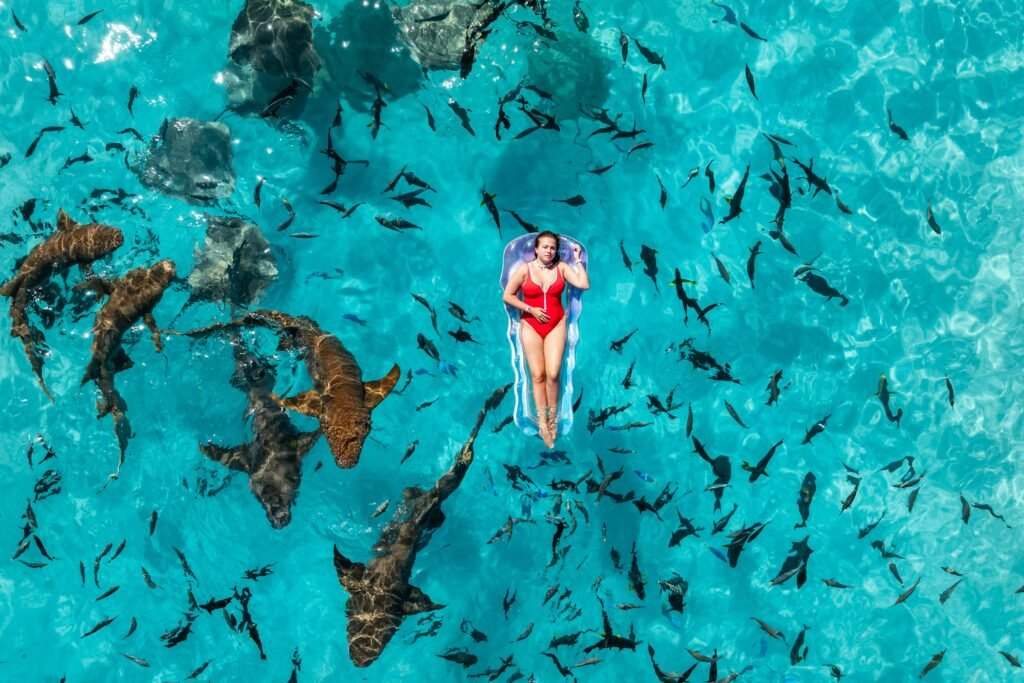
Vaavu Atoll and remote lagoon cruising
Vaavu Atoll lies southeast of South Malé Atoll and introduces a quieter side of the Maldives cruising environment. Compared with the central atolls, development here remains limited and large sections of reef appear untouched.
The outer rim of the atoll contains deep ocean channels where currents push through narrow passages in the reef. These conditions attract grey reef sharks, eagle rays and other pelagic species.
Inside the atoll the lagoon opens into wide calm areas suitable for anchoring. Yachts frequently spend the night in these locations where the only nearby activity may be a passing local fishing dhoni.
Night diving is particularly well known in Vaavu Atoll. Reef sharks and nurse sharks gather beneath dive lights along channel entrances, creating dramatic scenes for experienced divers.
The quieter atmosphere makes Vaavu Atoll one of the most memorable segments of many charter route
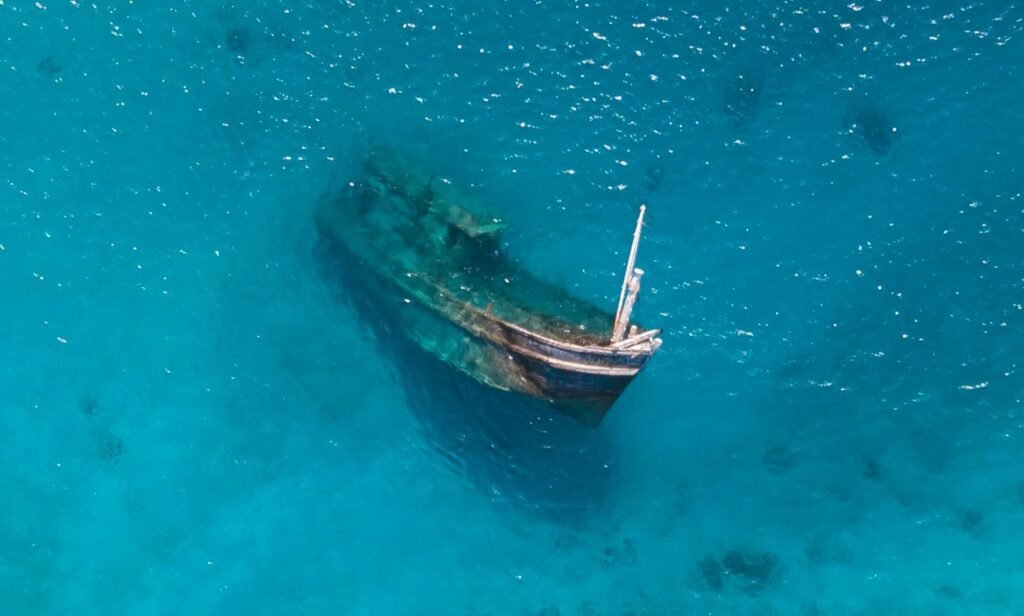
Baa Atoll and the Hanifaru Bay biosphere reserve
Baa Atoll sits further north and is normally included on longer yacht charter itineraries. The atoll is recognised internationally as a UNESCO Biosphere Reserve because of its rich marine biodiversity.
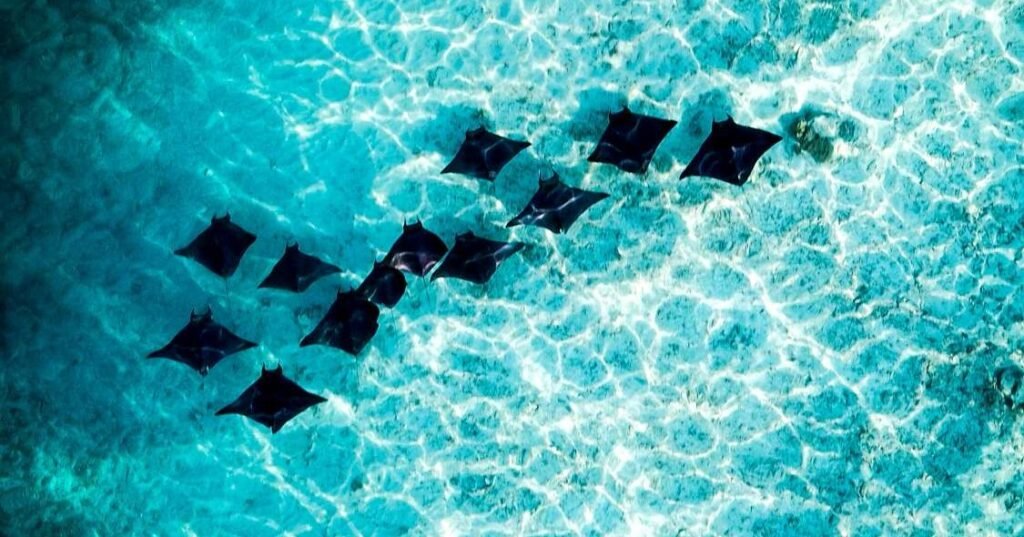
One of the most significant locations within the atoll is Hanifaru Bay. During the southwest monsoon plankton accumulates inside the bay, attracting large numbers of feeding manta rays.
At certain times dozens of manta rays gather in the shallow lagoon as they circle through dense clouds of plankton. It remains one of the most remarkable wildlife spectacles found anywhere in the Maldives.
Strict regulations protect the area. Yachts anchor outside the bay while guests enter the protected zone with licensed guides and marine park authorities.
Outside Hanifaru Bay the atoll offers quiet coral gardens, small islands and calm lagoons that work well for overnight anchorages.
How yacht charter itineraries are structured in the Maldives
Most Maldives yacht charter itineraries combine several atolls into routes lasting between five and fourteen days.
Short charters usually focus on the Malé atolls where reefs and sandbanks are located within easy cruising distance. A week long charter typically extends west into Ari Atoll where whale shark waters and large reef systems become accessible.
Longer itineraries may include Vaavu Atoll or Baa Atoll, introducing quieter lagoons and more remote island environments.
Professional crews plan each movement according to tides, reef passages and seasonal wind patterns. The northeast monsoon from November to April generally produces calmer seas along the western atolls, while the southwest monsoon shifts conditions toward the eastern channels during the middle of the year.
Because the atolls sit relatively close together, yachts rarely need to undertake long offshore passages. This allows guests to experience multiple destinations without spending excessive time underway.
The Maldives remains one of the few cruising regions where a yacht can pass through several coral atolls within a single week. Lagoons shift from deep ocean blue to shallow turquoise within minutes of cruising.
For guests on board, each day reveals a different anchorage and another reef waiting just beneath the surface. It is this constant change of scenery that makes the Maldives one of the most compelling yacht charter destinations in the world.